
-
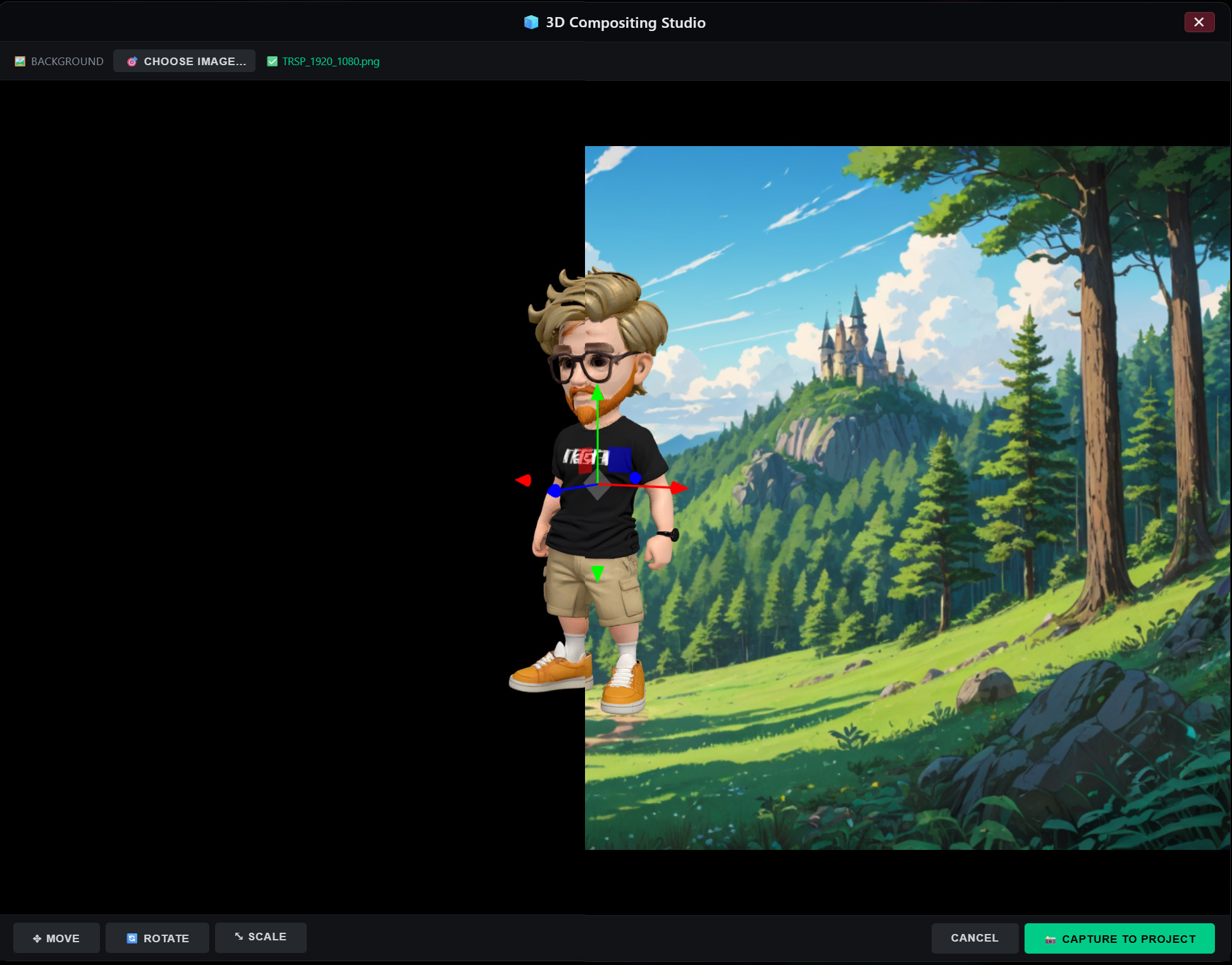
Generate the 3D Model: Any Image Can Be Converted into a 3D Model via Trellis.2
3D Model via Trellis.2 Most AI video tools treat the image as the final destination. You generate a still, you like it, and you use it as a reference or drop it into a timeline. The image is where the creative process stops. Latent Core’s 3D generation feature treats the image as a starting…
-

Broadcast Integration: Export Your Timeline Directly to DaVinci Resolve
No matter how good a generation tool is, professional production doesn’t end when the AI finishes rendering. It ends when the work has passed through color grading, audio mixing, graphics, and quality control — and those stages happen in professional editing and finishing software, not in the generator. A tool that produces beautiful footage…
-
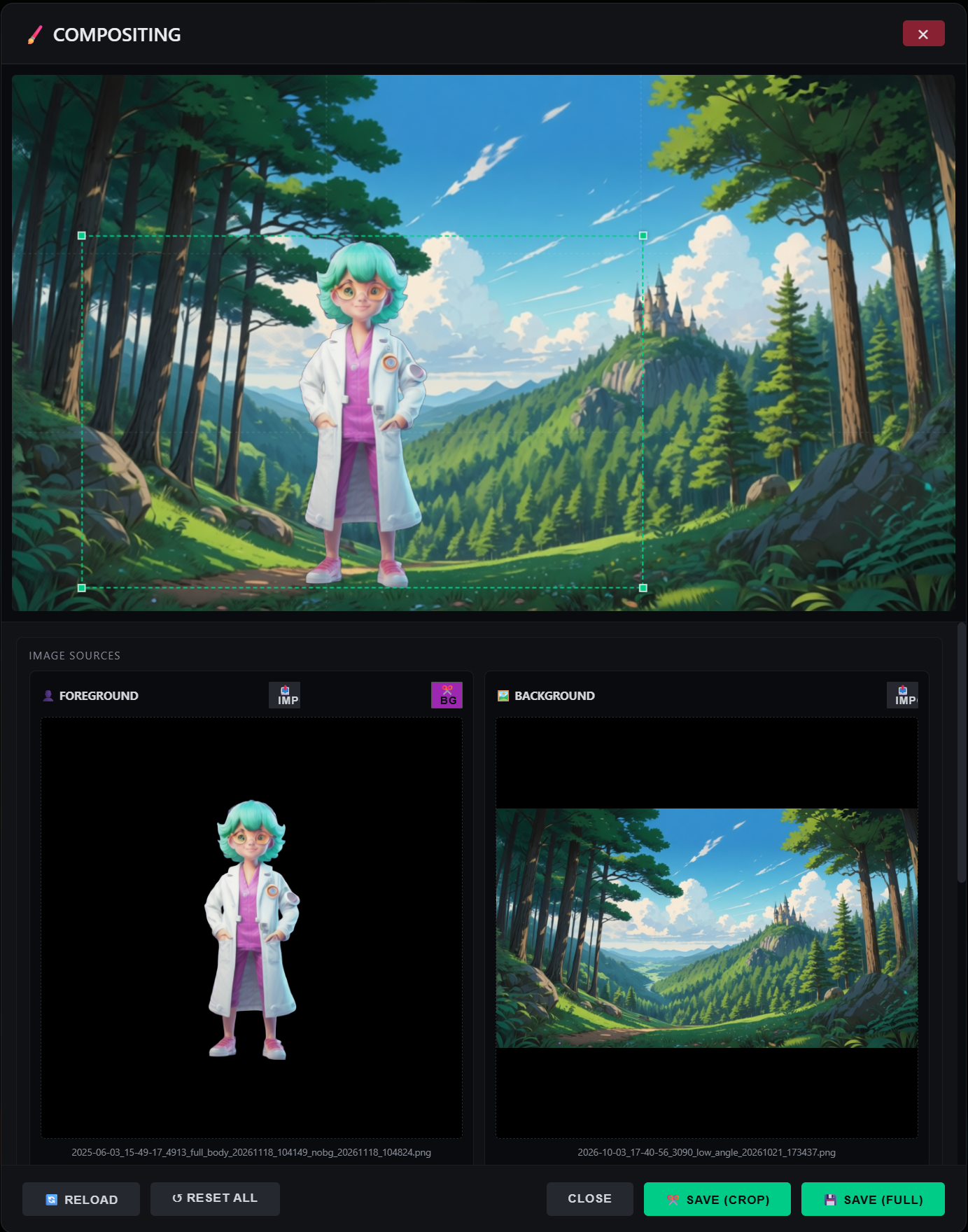
Compositing Studio: Compose Your Shots in Real-Time, Directly in the Interface
Generation and composition have historically been separate jobs done in separate tools. You generate a character on a green screen in one application, render a background in another, then open a compositing program to layer them together — matching scale, position, and perspective by eye, then exporting the result and importing it back into…
-
Multi-Segment Timeline: One Script, N Segments, One Synchronized Final Render
The five-second clip is the defining limitation of cloud AI video, and it’s not an accident. It’s a direct consequence of how those services are built and billed: short generations keep compute costs predictable, keep latency tolerable, and keep the meter running. The user experience is a conveyor belt of fragments — generate, download,…
-
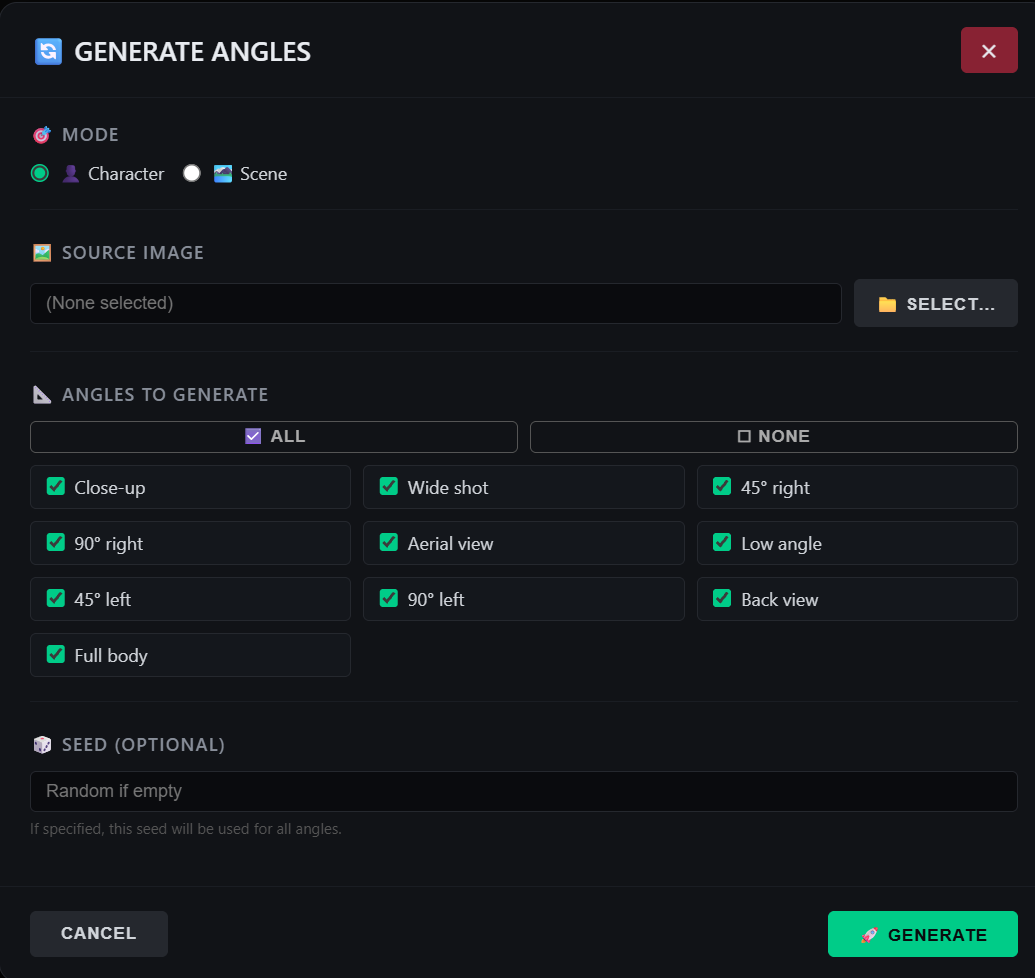
Multi-Angles Generator: Ten Camera Angles of a Character in One Click
Cinema is built on angles. The same scene, shot from a close-up, a wide shot, an aerial view, or from behind the character, tells a completely different story. A close-up creates intimacy and tension. A wide shot establishes context and isolation. An aerial view implies omniscience or scale. A back view places the audience…
-
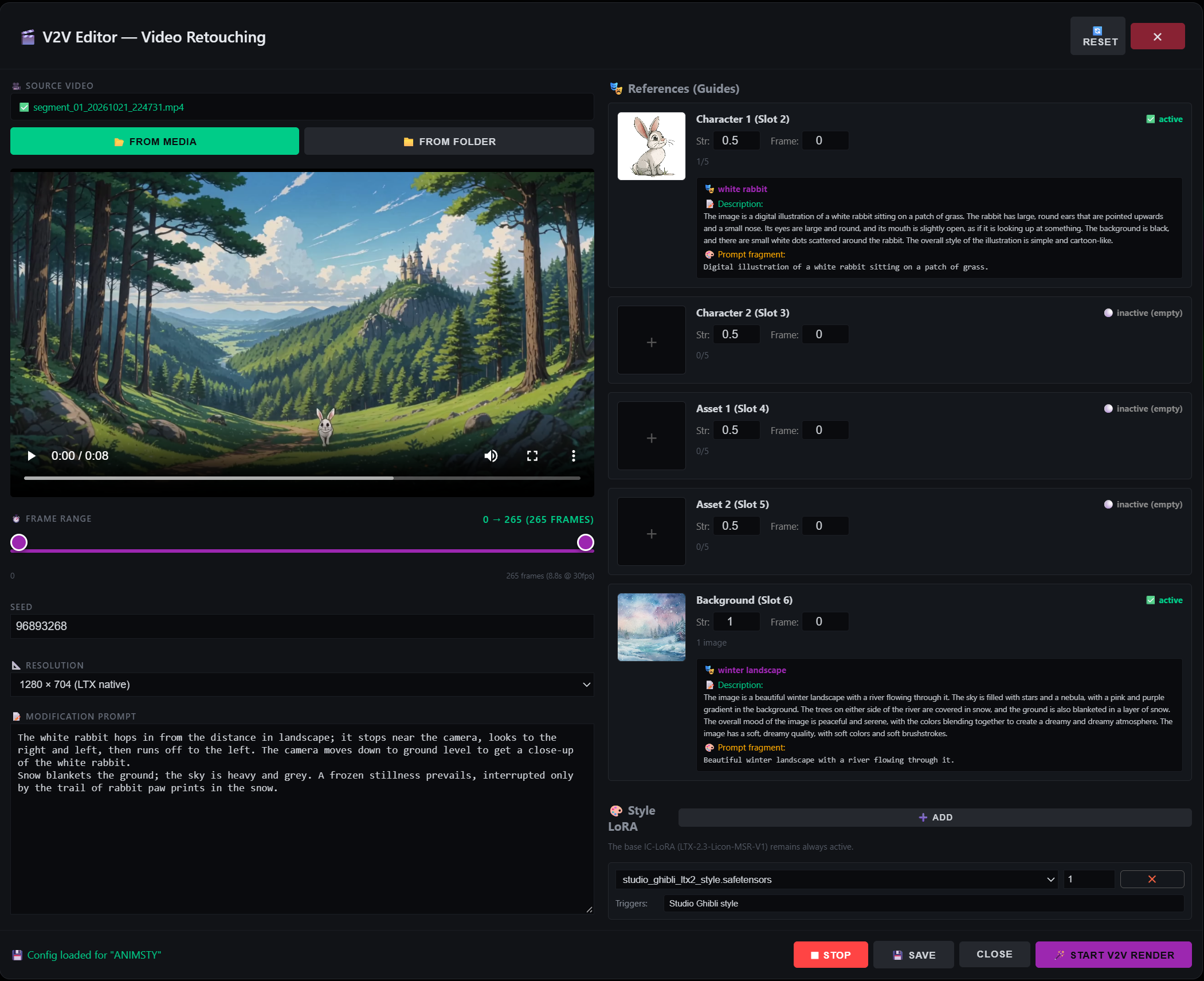
V2V Editor: Retouch Any Existing Video Without Regenerating the Entire Scene
Every AI video workflow eventually reaches the same frustrating moment. You’ve generated a scene that’s 90% perfect — the framing is right, the character’s pose is right, the timing is right — but one element is wrong. Maybe the background doesn’t match the previous shot. Maybe the character’s jacket is the wrong color. Maybe…
-
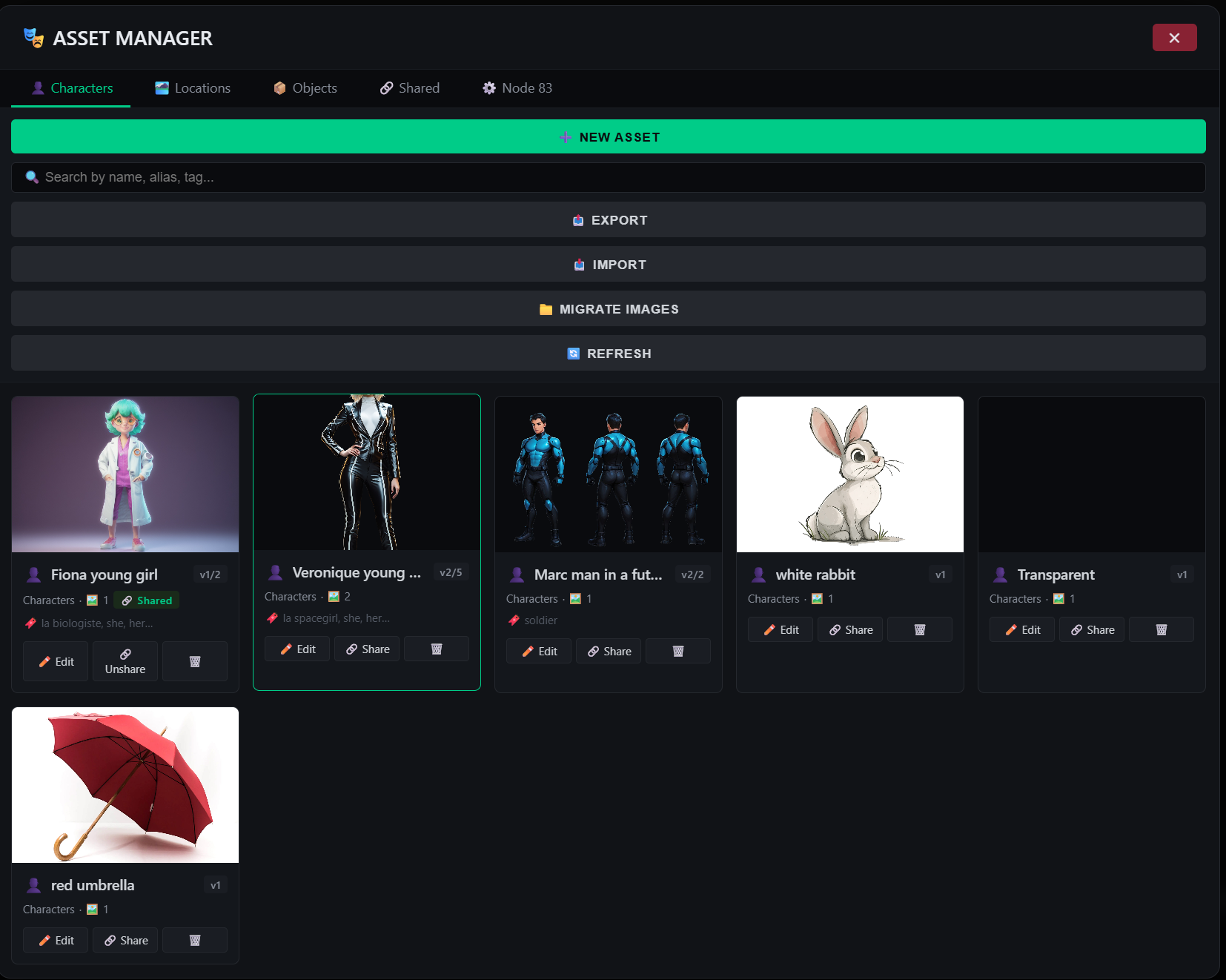
Asset Manager: Lock Your Characters, Backgrounds, and Props for Perfect Visual Continuity
The single biggest failure mode in AI video generation isn’t bad rendering — it’s inconsistency. A character’s jacket changes color between shots. The background shifts from a forest to a generic green screen. A prop that was on the table in scene two has vanished by scene four. Cloud generators treat each generation as…
-
Zero Token Costs: Generate 10 Videos or 1,000, the Price Stays the Same
Every cloud AI video tool is built on a meter. You pay per token for the script, per second for the video, per generation for the image. The meter runs silently in the background, and every creative decision becomes a financial one. Should you regenerate that segment one more time? Is a fifth take…
-
Total Privacy: Your Content Never Leaves Your Machine
Every cloud-based AI video tool asks you to make the same silent trade: upload your scripts, your presenter images, your raw footage — and trust that they’ll be handled responsibly on someone else’s servers. For casual creators, that might be an acceptable compromise. For newsrooms, corporate communications teams, and R&D departments, it’s a dealbreaker.…
-
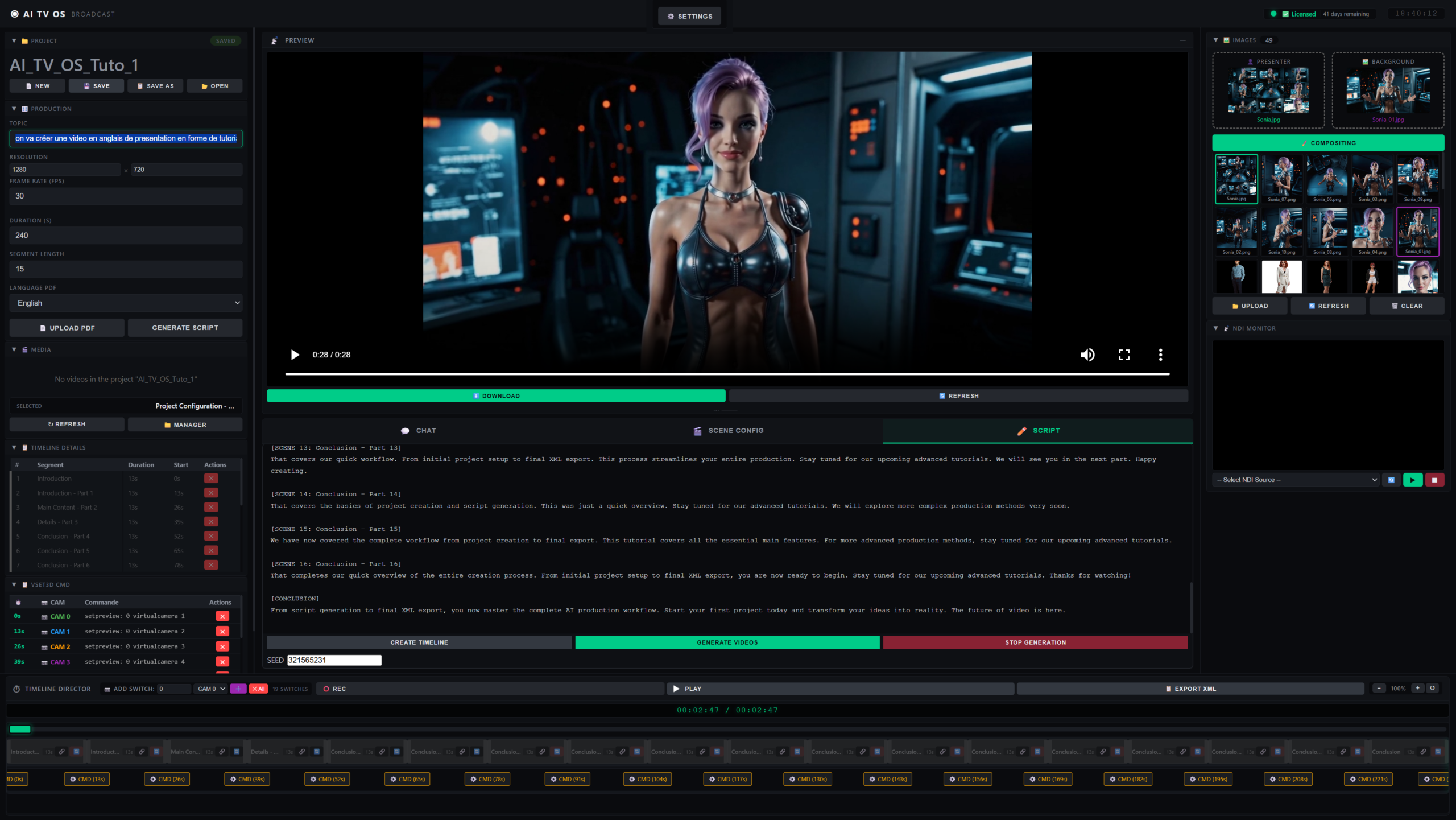
Generate Long Videos with Latent Core: From 5-Second Clips to Full-Length Films
Cloud video generators have trained creators to think in fragments. You type a prompt, wait, and receive a five-second clip — then you do it again. And again. A one-minute video becomes a dozen disconnected generations stitched together in a separate editor, each costing tokens, each losing a little more of your creative momentum.…